When students ask me how to study for AP exams, I start with a distinction: knowing the material and using it under exam conditions are different skills. Rereading your notes can make a chapter feel familiar without showing whether you can solve a problem or explain an answer on your own.
A useful study plan needs both content review and practice with the actual assessment. Here is how I would build one without turning every evening into another school day.
First, Know What Score You Are Actually Aiming For
AP exams are scored from 1 to 5. College Board describes a 3 as "qualified," a 4 as "well qualified," and a 5 as "extremely well qualified." But those labels do not tell you what a particular college will award.
Credit and placement policies vary by college and AP subject. The same score might fulfill a requirement at one college, earn elective credit at another, and earn no credit elsewhere. Start with College Board's AP credit policy search, then confirm the details on the college's own website. Check whether the credit applies to your intended degree, not just whether the college accepts the exam.
Your target helps you set priorities, especially if you are preparing for several exams. It does not replace a diagnostic. You still need to find out which skills are costing you points.
Why Cramming Is a Poor AP Exam Strategy
Last-minute review can help you recover a forgotten formula or definition. It is a much weaker plan for learning to explain a scientific result, build an argument, or solve an unfamiliar problem under time pressure.
Spreading practice across weeks gives you time to discover mistakes, correct them, and check whether the correction stuck. That last step matters. Understanding an answer while you read the solution is not the same as producing it yourself later.
My rule is simple: close the notes and try something. Solve a problem, explain a concept, or outline a response. Use what you cannot do yet to decide what to review next.
How to Study for AP Exams: Build the Calendar Backward
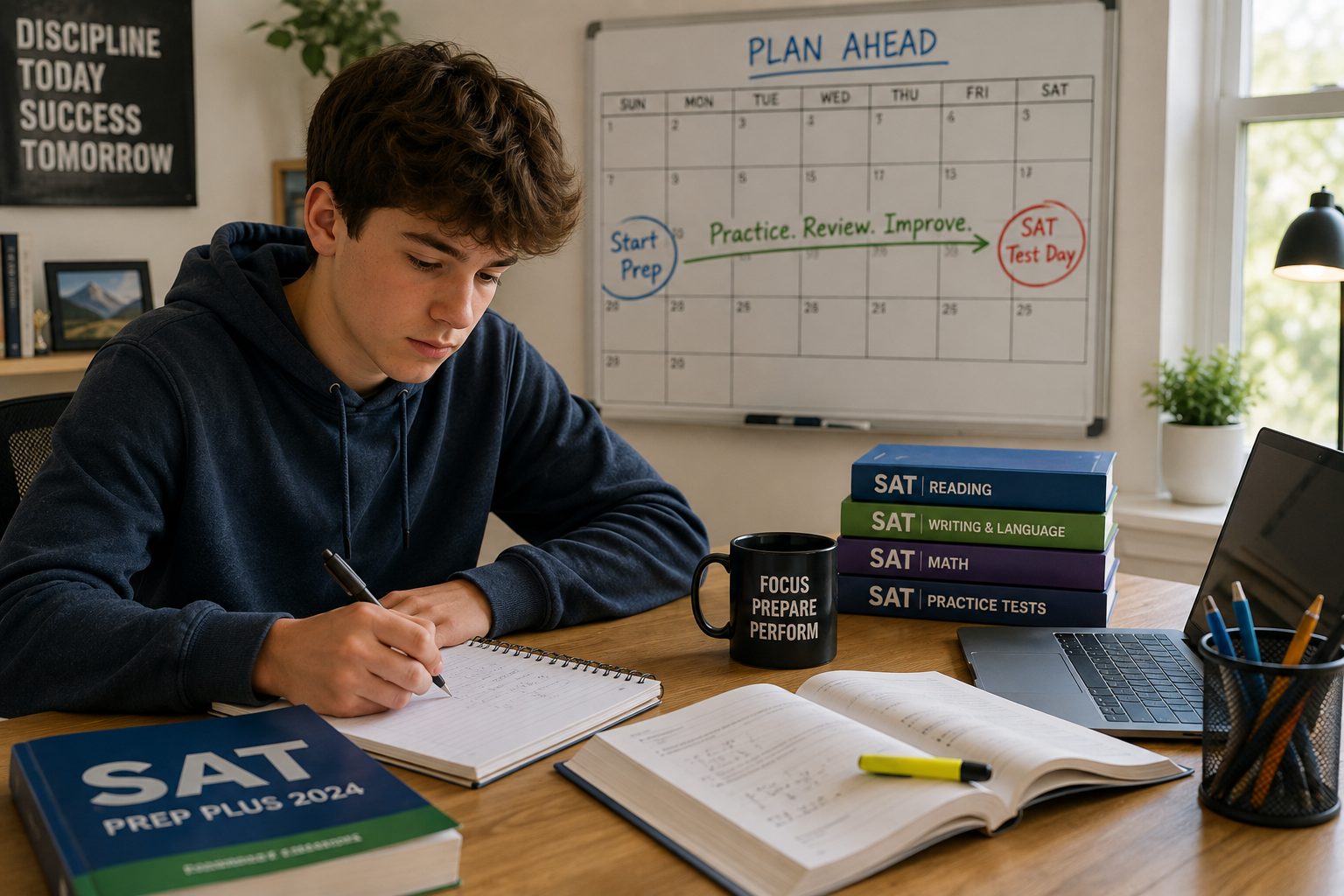
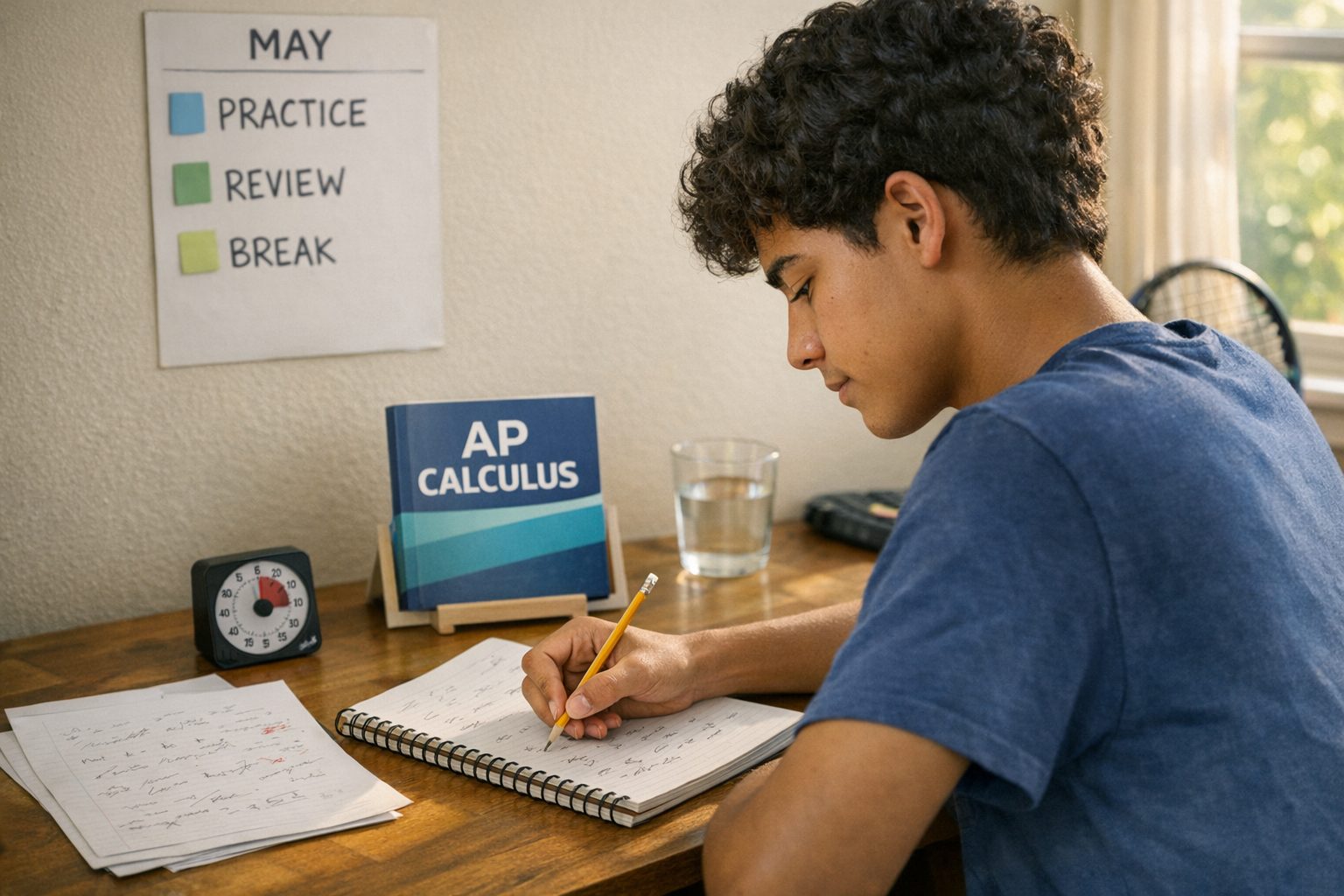
AP exams are generally administered in May. Confirm your current exam dates with your school or College Board before building your calendar. If your course includes a portfolio or performance task, record its submission deadlines too. Those need their own preparation time.
January and February: start light and diagnose. Try an official practice set covering material your class has already taught. An unfamiliar unit you have not reached is not evidence that you are behind. Use your course's page on AP Central to find exam information, sample questions, and available released free-response questions with scoring materials. Ask your teacher about additional official practice through AP Classroom.
Official questions are the best starting point for understanding what the exam expects. Third-party materials can supplement them, but check that they match the current course and format. Even older official questions may need that check after an exam changes.
March: rebuild the weak foundations. Go back to the topics your practice exposed. Maybe you have forgotten an earlier unit, or you can follow a worked example but cannot start a similar problem alone. Do not review everything equally. Work on the gaps that keep recurring.
Keep an error log. For each missed question, record the topic, what went wrong, and what you will do differently. "Careless mistake" is too vague. "I used the initial concentration instead of the equilibrium concentration" gives you something you can actually fix. Reattempt the question later without looking at the solution.
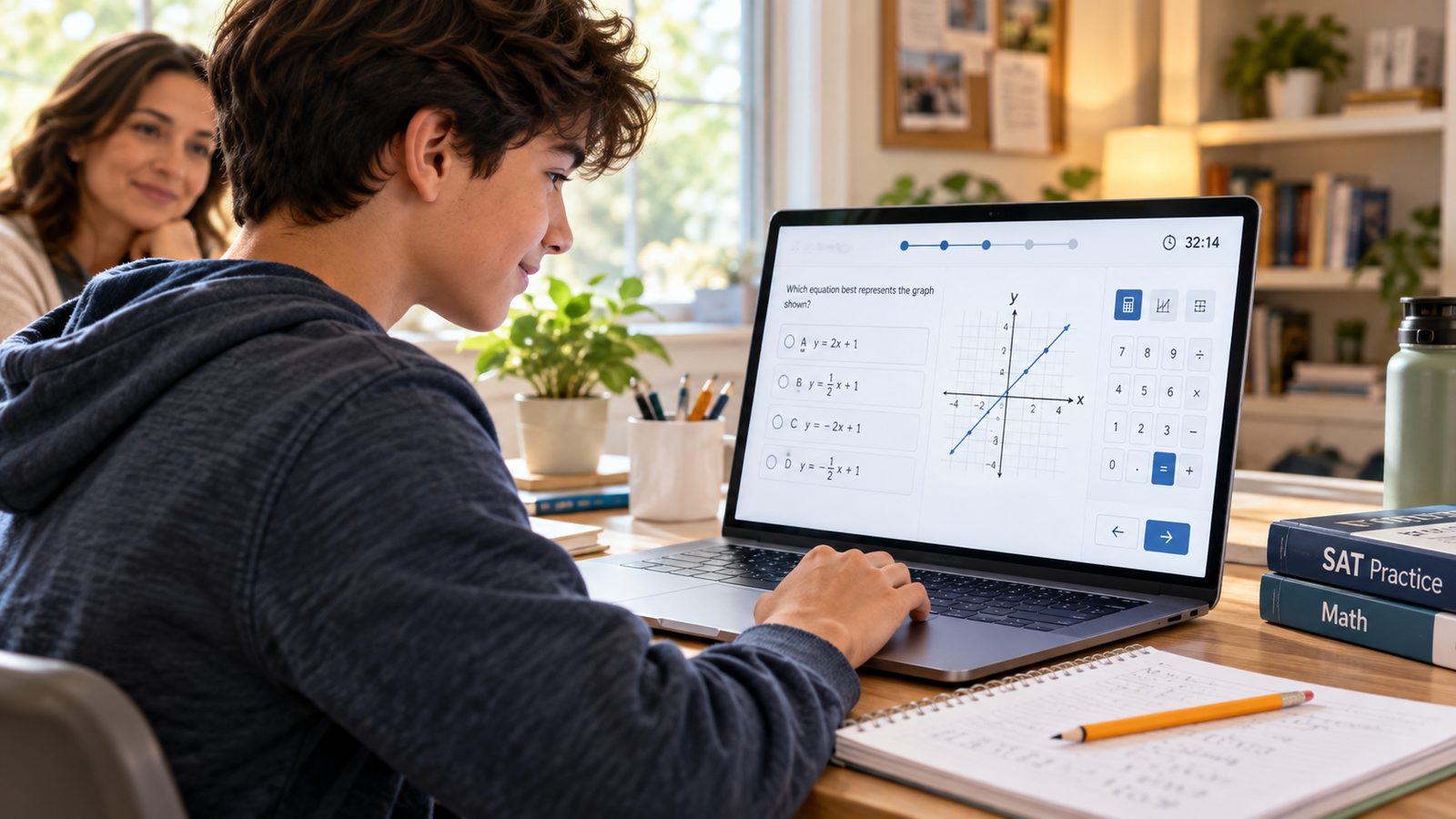
April: practice the assessment, not just the material. Build toward timed sections using the current exam's rules and tools. Depending on the subject, your exam may be fully digital in Bluebook, hybrid digital with handwritten free responses, or use another format. Check the current AP exam policies and guidelines and your course's exam page rather than assuming every AP exam works the same way.
If your exam uses Bluebook, use the available preview to get comfortable with its tools and navigation. Practice typing or handwriting responses as your exam requires. Follow the subject-specific calculator and reference-material rules as well.
After a released free-response question, compare your work with its official scoring guidelines and any available scored sample responses. Identify the missing reasoning, evidence, calculation, or explanation. Then revise your answer. Reading the rubric without applying it to your own work misses the useful part.
The final stretch: narrow the work and protect sleep. Review recurring errors, revisit important gaps, and confirm your exam-day logistics. A targeted fix is still worthwhile late in the process. Trying to relearn the entire course overnight is not. Keep a consistent sleep schedule rather than relying on a recovery night just before the exam.
Habits That Make Practice Useful
Learn the format before practicing pacing. Know the section lengths, question types, weighting, and tools permitted on your particular exam. For courses with assessed work outside the exam, understand how that work contributes to the score too.
Use both untimed and timed practice. When learning a difficult concept, slow down and explain your reasoning. Once you can do the work accurately, add time limits. Timing every attempt from the beginning can turn practice into repeated guessing.
Schedule review, not just question completion. A practice section is not finished when the timer stops. Leave room to understand your errors and return to them later. If you cannot explain why an answer is correct, put it back on your study list.
Rotate subjects without splitting your attention. If you have several AP exams, give each a place in the weekly calendar. Within a study session, stay with a defined task rather than switching subjects whenever a question gets uncomfortable. Give more time to the subjects and skills that need it.
When to Bring in Help
Plenty of students can run this plan independently, with help from their teacher when they get stuck. If that is your son or daughter, let them own the schedule. A parent can help protect study time without becoming the subject expert.
If you know the material, ask your student to explain a missed problem aloud. That can reveal where the reasoning breaks down. If you do not remember the subject, there is no shame in that. Ask the teacher for help or bring the practice work to a tutor rather than trying to reteach a course from an answer key.
At High Performance Tutoring, our AP math, science, and computer science tutors can review that work with your student, ask questions about their reasoning, and help them practice the missing skills. A tutor also is not the parent, which can make the conversation easier. If your student is reluctant, the first hour is free with no commitment, so they can bring a difficult assignment or practice response and decide whether the help is useful.
If you already know an AP class will be difficult, I recommend setting up support in the first two weeks of the course rather than waiting for exam season. If you are reading this later, start with the work in front of you. You do not need to wait for the ideal month to ask for help. No study plan guarantees a particular score, but it should give you a clear next task and a way to check your progress.
Frequently Asked Questions
When should I start studying for AP exams?
Review throughout the course, then use January or February as a checkpoint to begin a more structured plan for a May exam. Adjust that timing to your course schedule and starting point. The calendar is a recommendation, not a required number of months.
What if I only have a week left?
Start now. Check the current exam format, try a representative practice set, and choose a short list of important gaps to address. Review the scoring guidelines for relevant released responses and protect your sleep. Focused work can still help, even when a full review is no longer realistic.
How do I study for the free-response section?
Use released questions that fit the current exam. Answer in the required format, compare your work with the official scoring guidelines, and identify exactly what your response omitted. Rework the answer, then try a similar question later to check whether you can apply the lesson independently.
If your student needs help preparing for an AP math, science, or computer science exam, High Performance Tutoring can help build a plan around their practice work and remaining time. Your first hour of tutoring is free, with no commitment. Reach out here to get started.